You Get the Beach You Walk Past
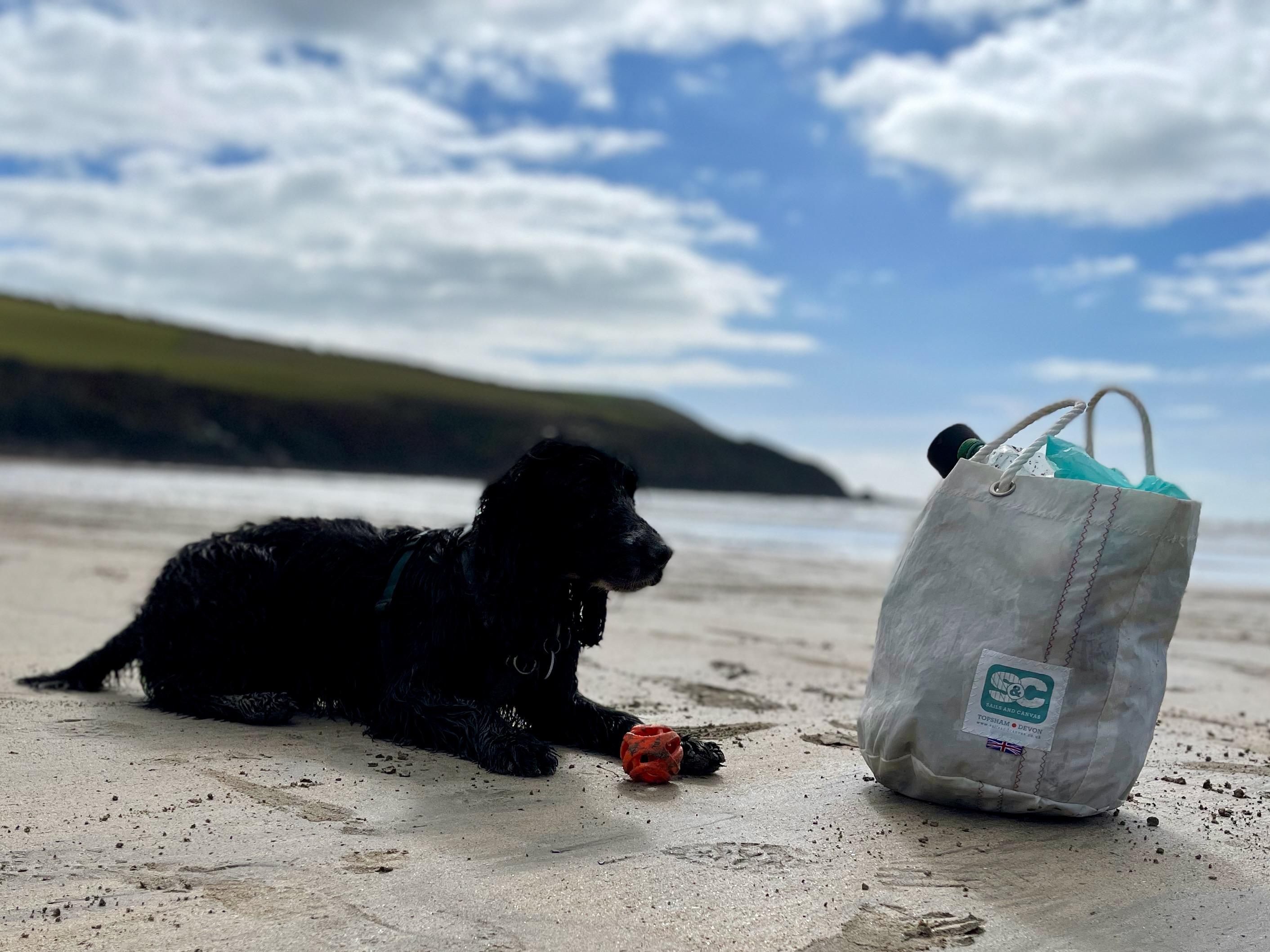
Next time you are on a beach, take a bag. The 2 Minute Beach Clean asks for two minutes, and that is enough to start.
- If you see something wrong and do nothing about it, you get that world.
- People look at a place to decide what is normal, so each bottle you leave invites the next one.
- Small picks add up: volunteer counts helped cut carrier bags on UK beaches by about 80%.
- You are who you are when no one is watching.
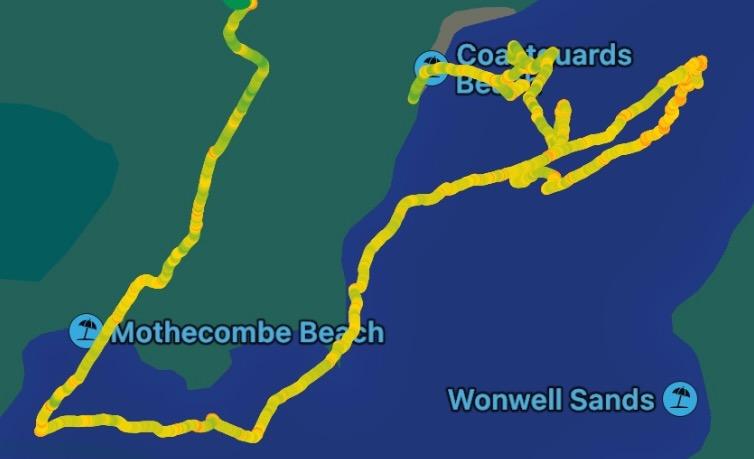
My wife and I often walk our dog, Indy, on our local beach in South Devon. We take a bag and fill it as we go. We do the same on every beach we visit. I like the finds, but what they say about people interests me more.
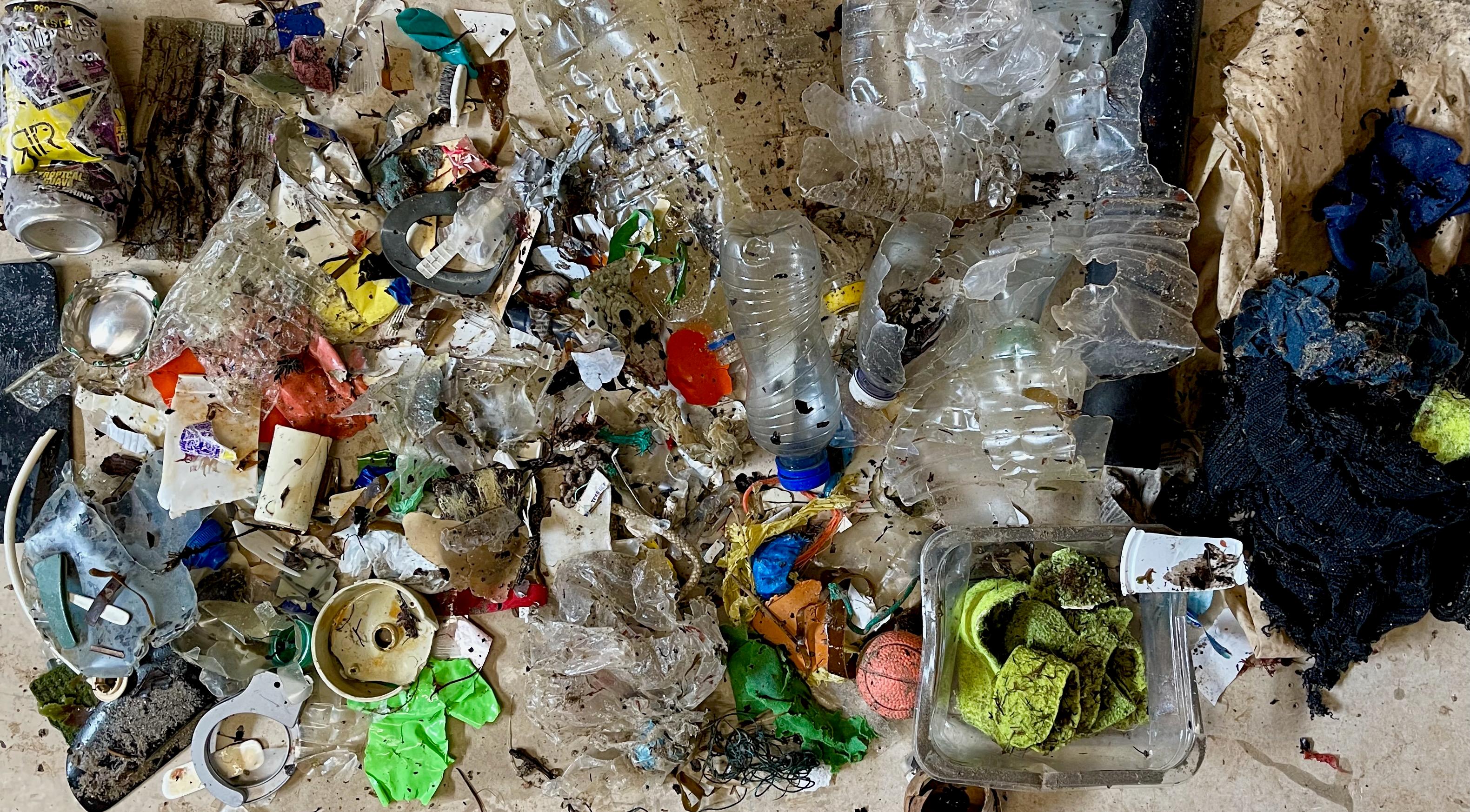
That pile is one walk: plastic bottles, cans, a tennis ball, clothing, face masks, hard plastic and cutlery. I picked up more bottle caps and bits of fishing net than I can count. Some finds are bigger. I picked up truck tyres that I could hardly move, and I carried pallets a long way to get them off the beach.
On a litter pick in Barbados, I found a small plastic toy soldier. I think it is from the 1970s or 1980s. Today it stands on the camera above my monitor and looks at me each day.
Plastic lasts for decades. In the 2025 Great British Beach Clean, volunteers found a crisp packet from the 1970s. Litter like that stays on the beach until someone picks it up.
A house stays clean when everyone puts things back as they go. Nobody needs a big clean, because the mess never builds up. I wonder if the same is true for a community.
Richard Branson thinks about this in circles. He draws a circle around himself and makes sure everything inside it works. Then he widens it to family and friends, and then to neighbours and the community. As the circles grow, they overlap with other people's circles. The Stoic philosopher Hierocles drew the same circles about 1,900 years ago.
A clean house is the first circle. The beach is in a wider one. Nobody owns it, so it gets the care that the people on it choose to give.
The broken windows theory looks at what happens when nobody cares for a place. James Q. Wilson and George Kelling set it out in The Atlantic in 1982. Malcolm Gladwell made it famous in The Tipping Point in 2000. The idea is that small signs of disorder, such as a broken window, invite more disorder.
New York police used it in the 1990s to target small crimes. In Revenge of the Tipping Point (2024), Gladwell said he was wrong to credit those police tactics for the drop in New York crime.
For litter, the idea holds up better. In 2008, Kees Keizer and his team at the University of Groningen put flyers on bicycles in an alley. When the alley wall was clean, 33% of cyclists littered. When the wall had graffiti, 69% did. People look at a place to decide what is normal there.
It is one set of studies in one Dutch city. I think a beach works the same way. Each bottle we leave tells the next person that bottles belong there.
Lieutenant General David Morrison was head of the Australian Army in 2013. He put the idea in one line: "The standard you walk past is the standard you accept." That is as true for a team as it is for a beach.
Still, I sometimes think it is naive to believe one bag helps. The next tide brings more. Part of me wonders if I do it for the beach or for my own conscience.
Volunteers for the Marine Conservation Society count what they pick up. The charity used those counts to push for a charge on plastic carrier bags. After the charges came in, carrier bags on UK beaches fell by about 80%, from five per 100 metres in 2014 to one in 2023.
One bag is small. If we fill one bag a month, that is 120 bags in ten years.
Online, people call this kind of choice the shopping cart test. Nobody fines you if you leave a cart in a car park, and nobody thanks you when you return it. What you do shows your own standard. Chris Williamson, the podcaster, puts it this way: "We don't rise to the standards we have when others are watching. We fall to the standards we have when no one is watching."
A litter pick on an empty beach is the same test. I often say to myself, "You are who you are when no one is watching."
What will you walk past this week?